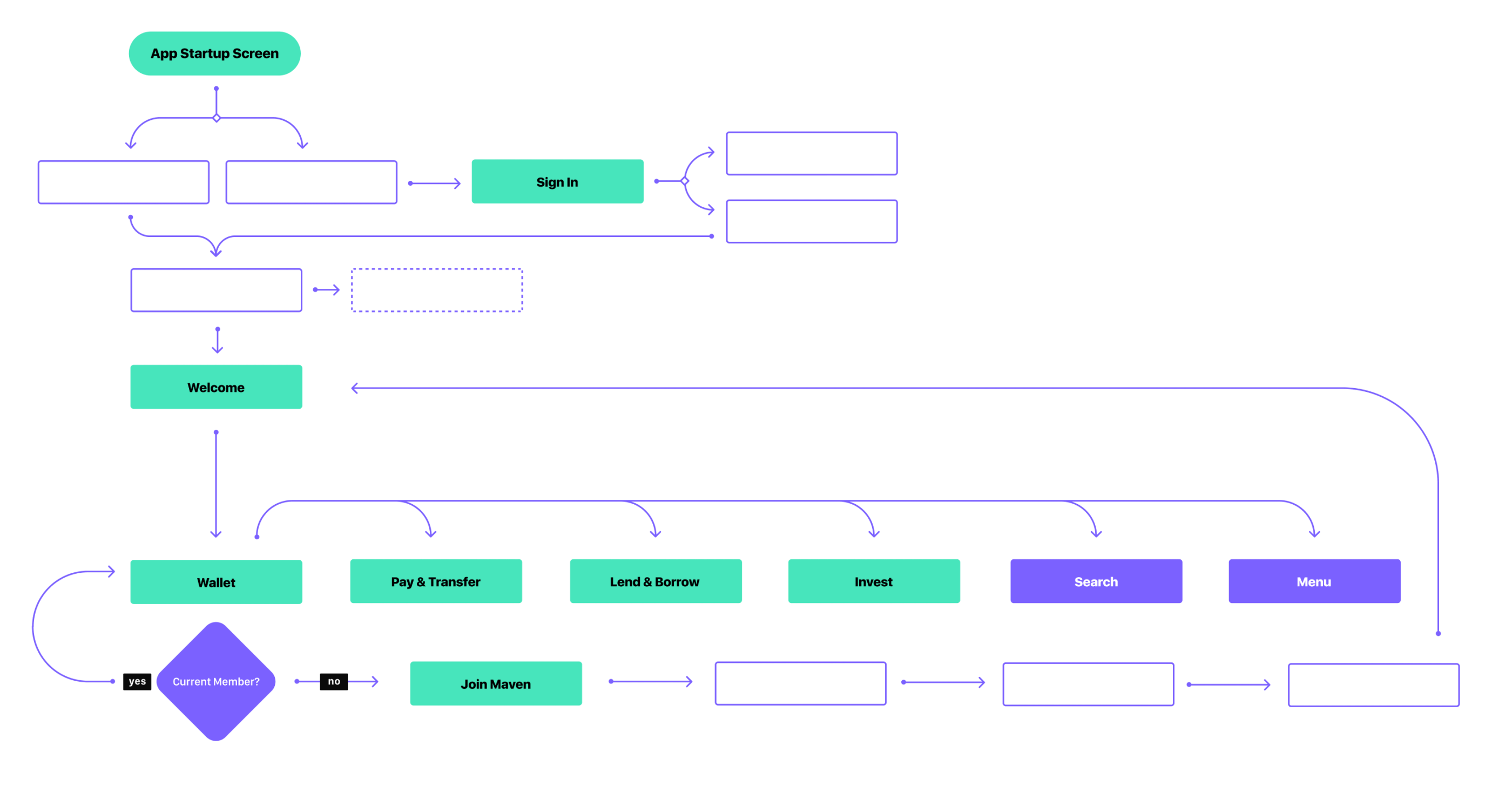
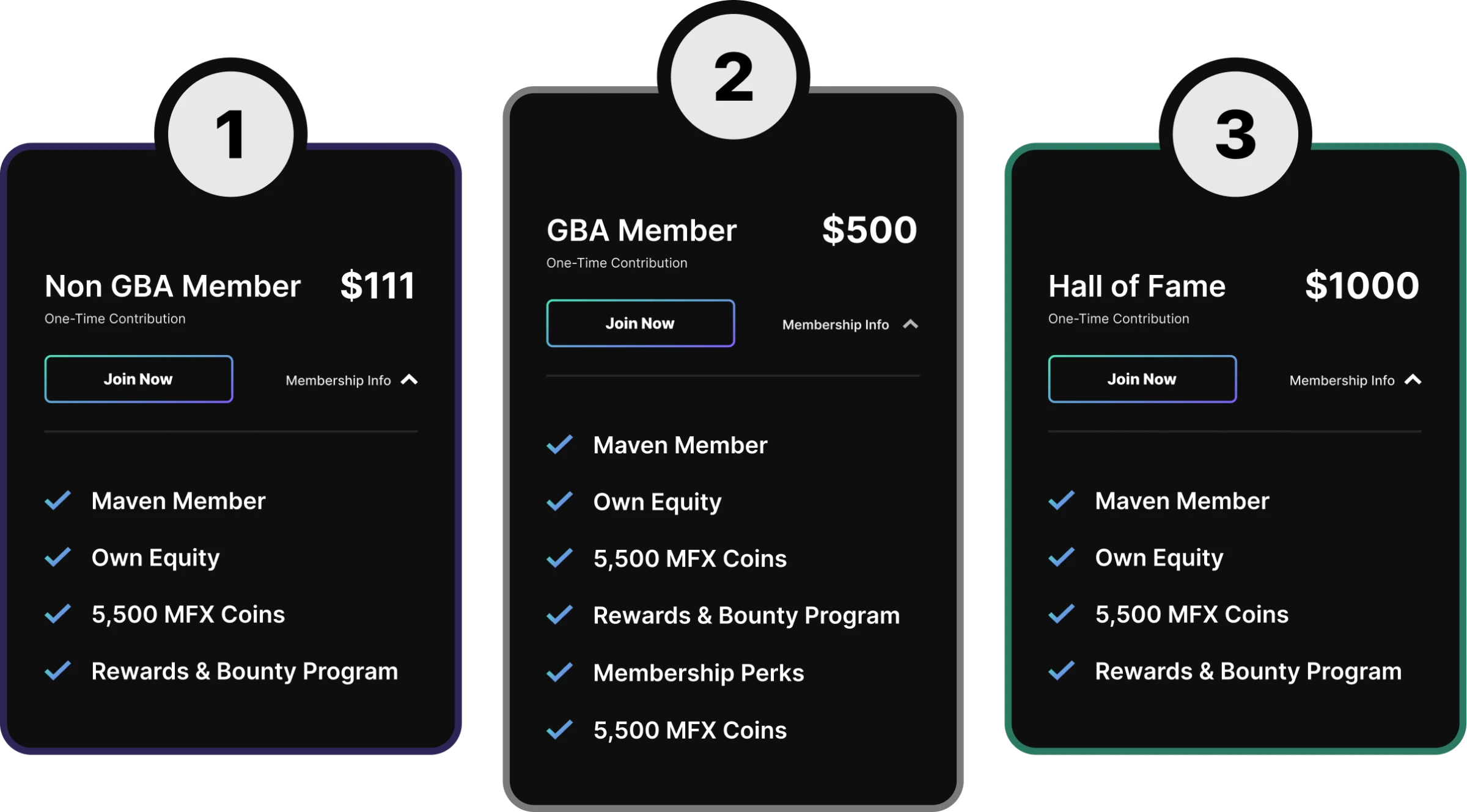
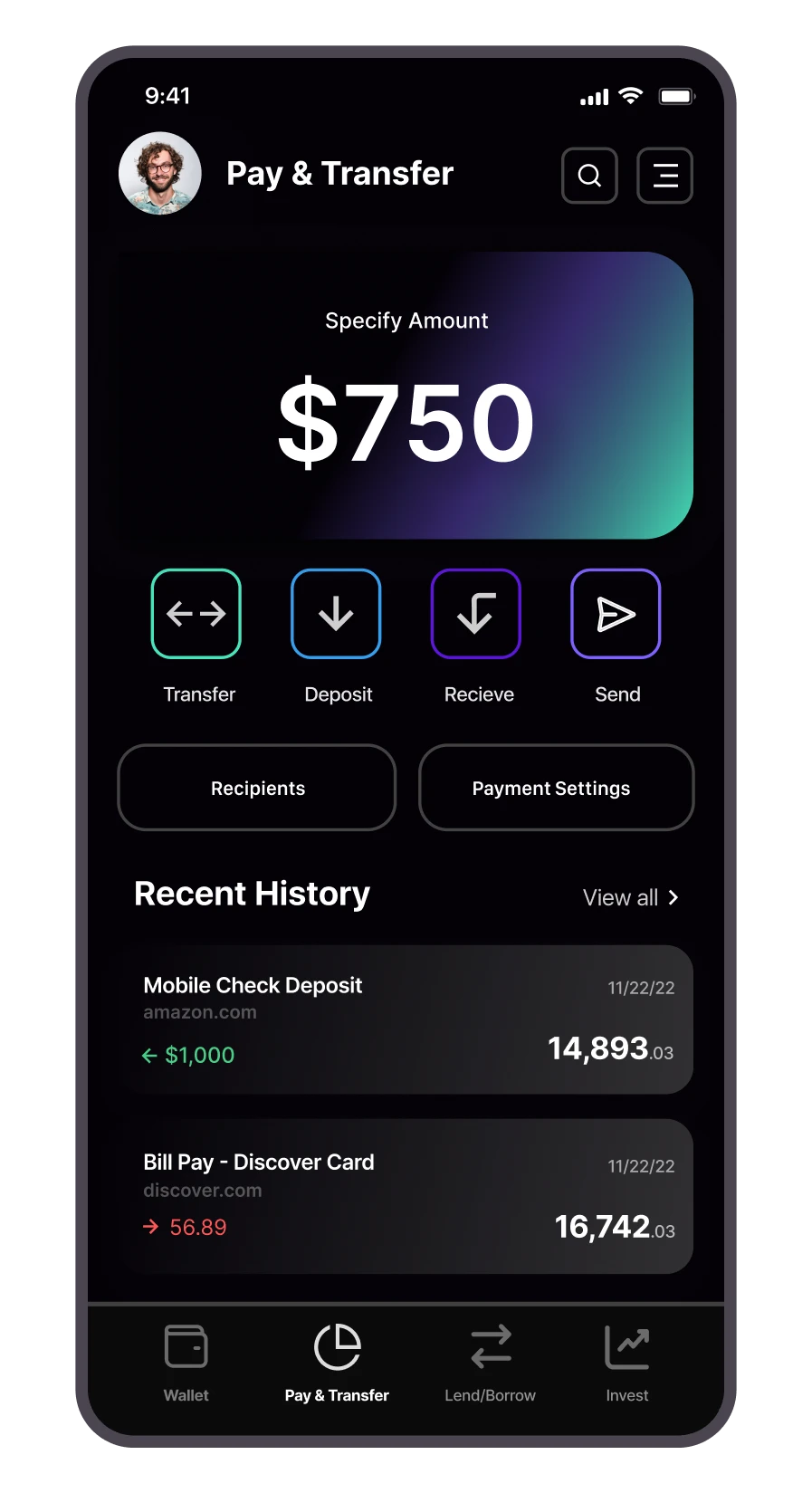
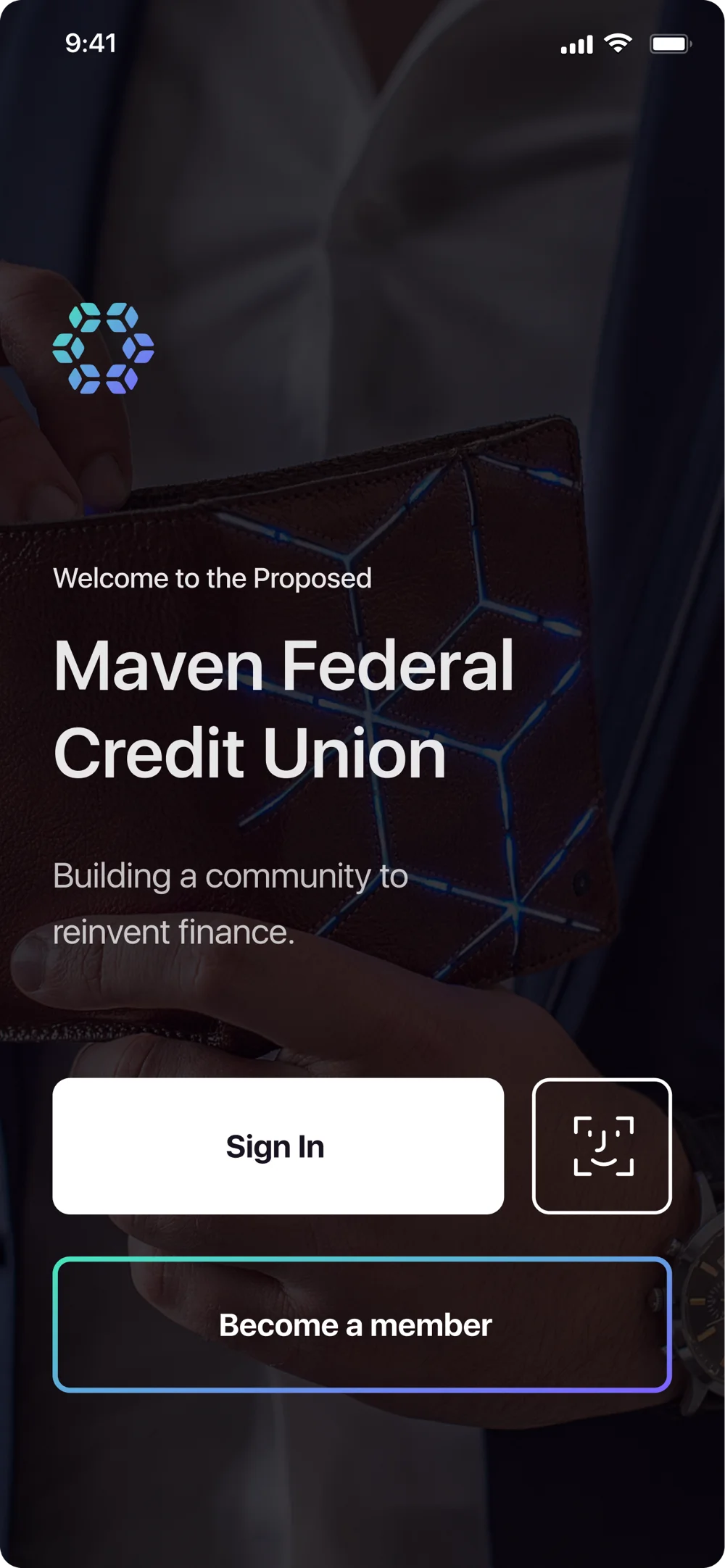
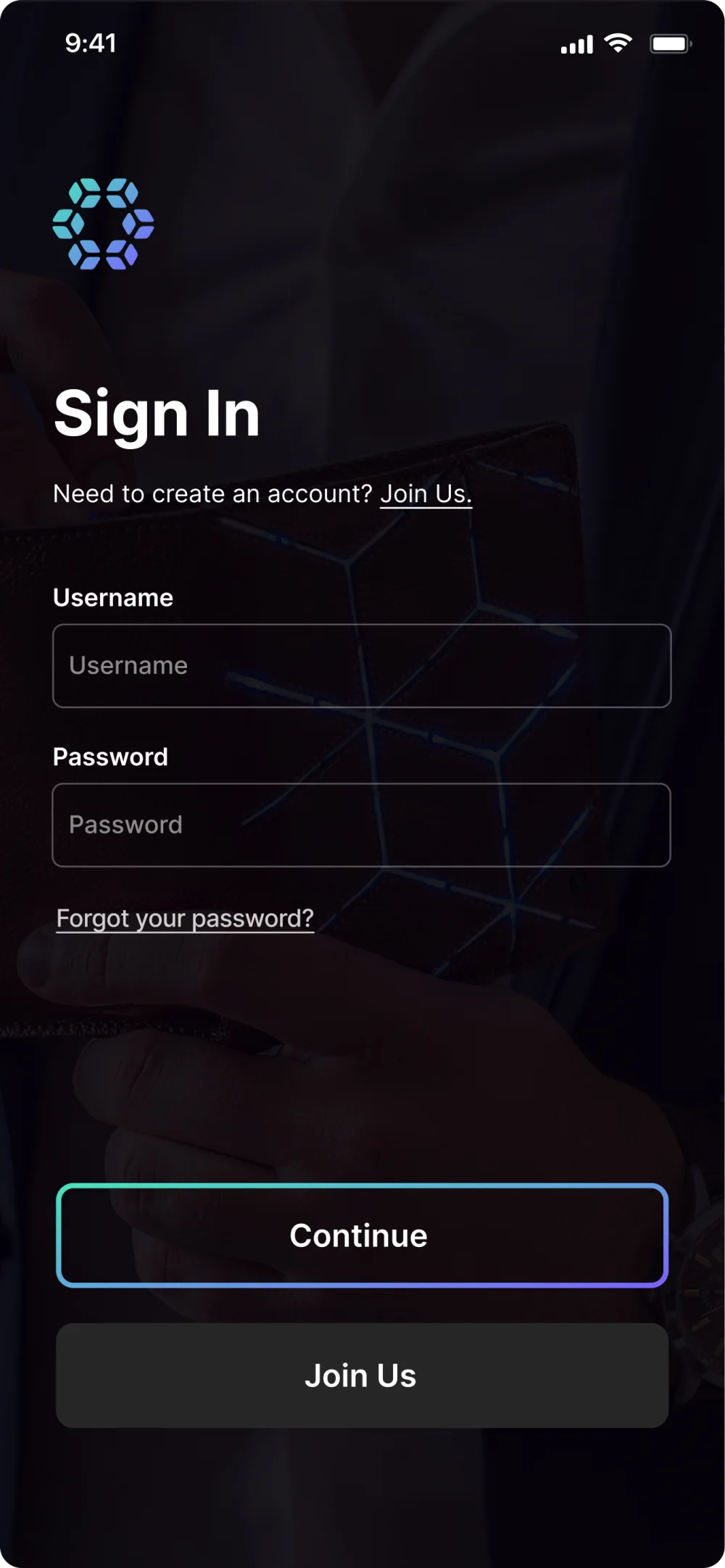
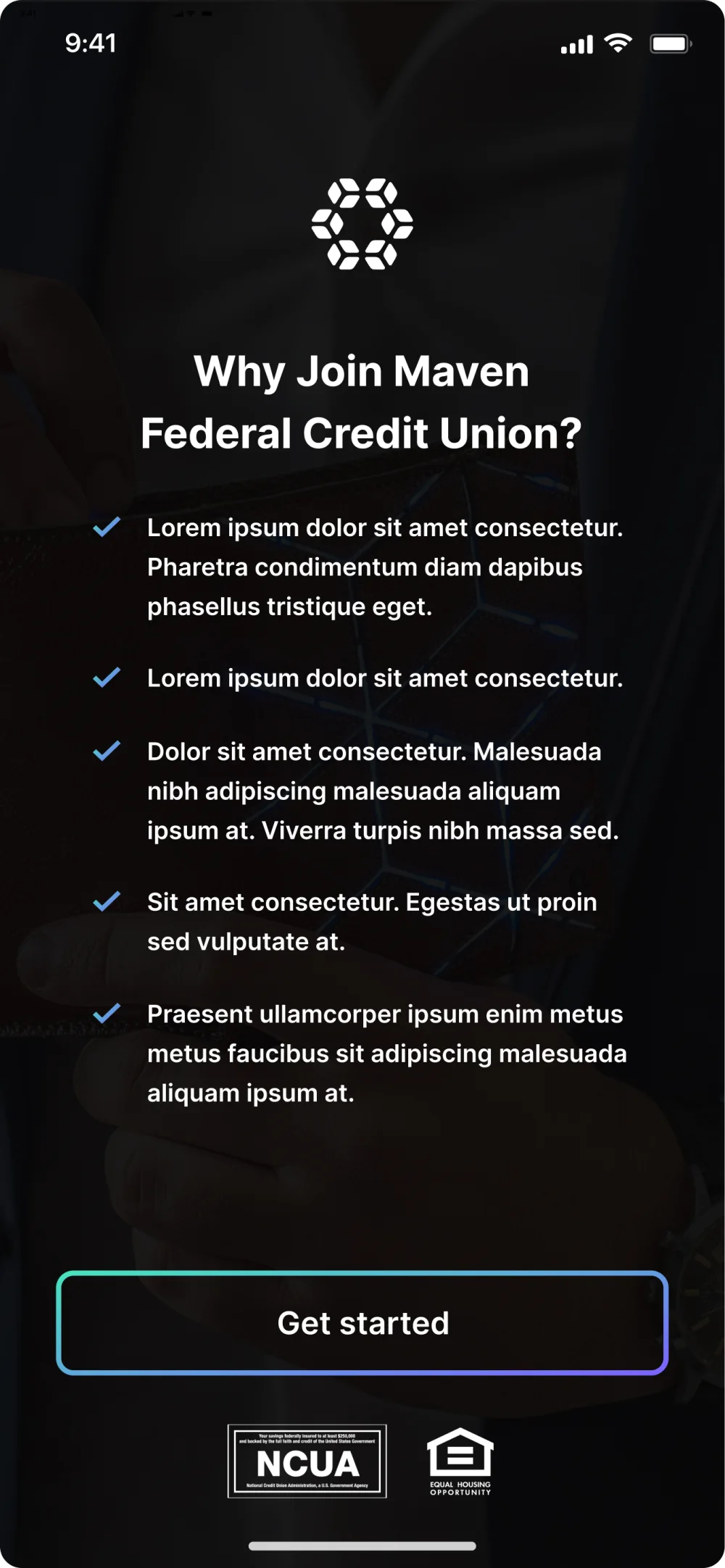
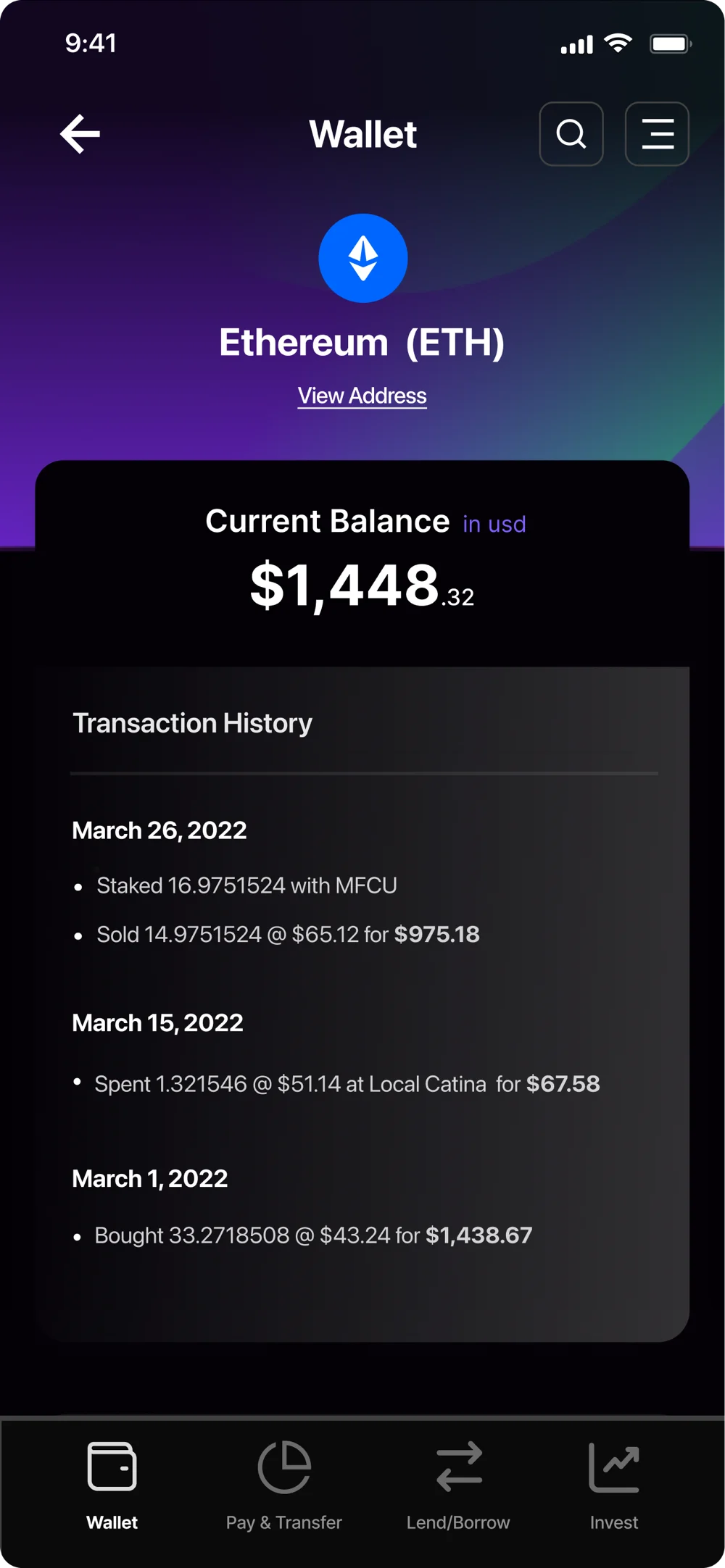
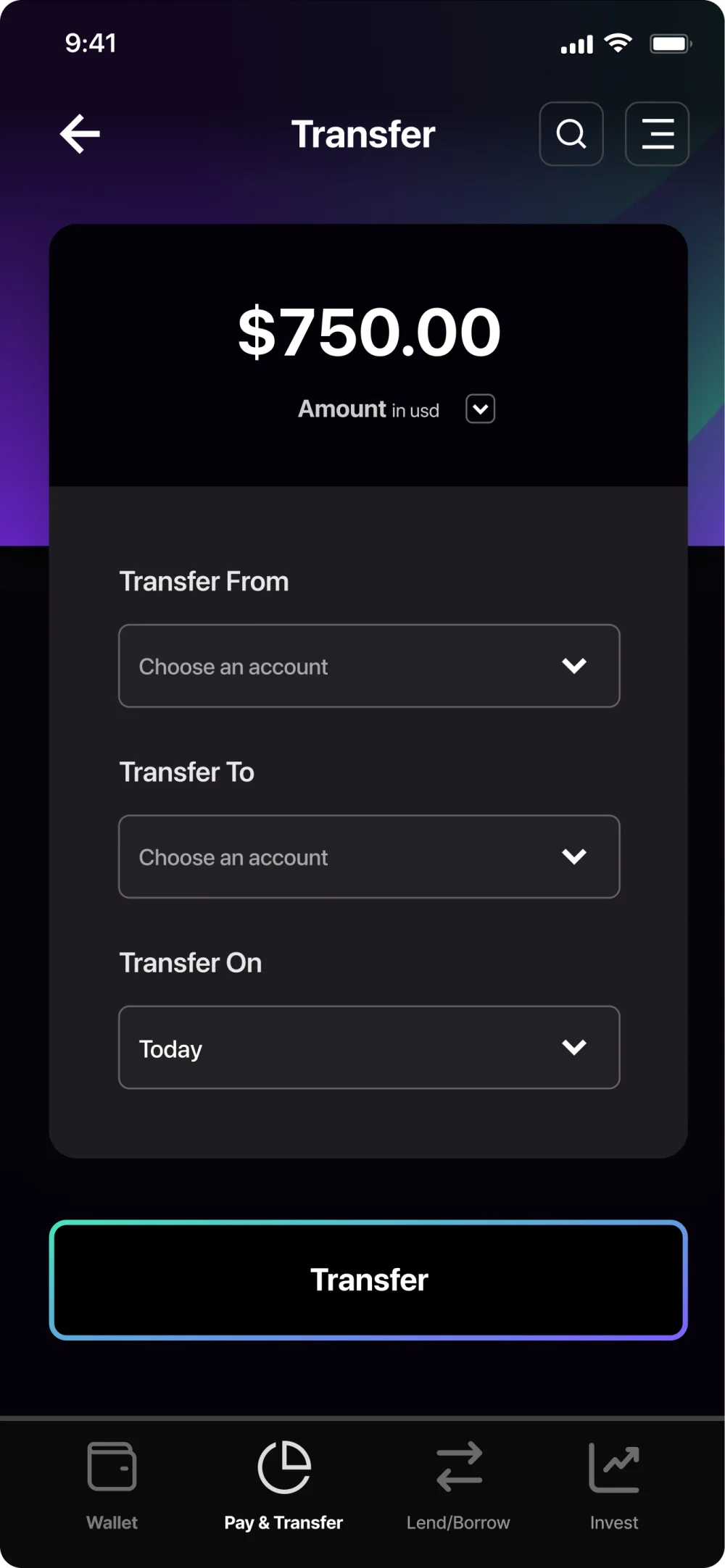
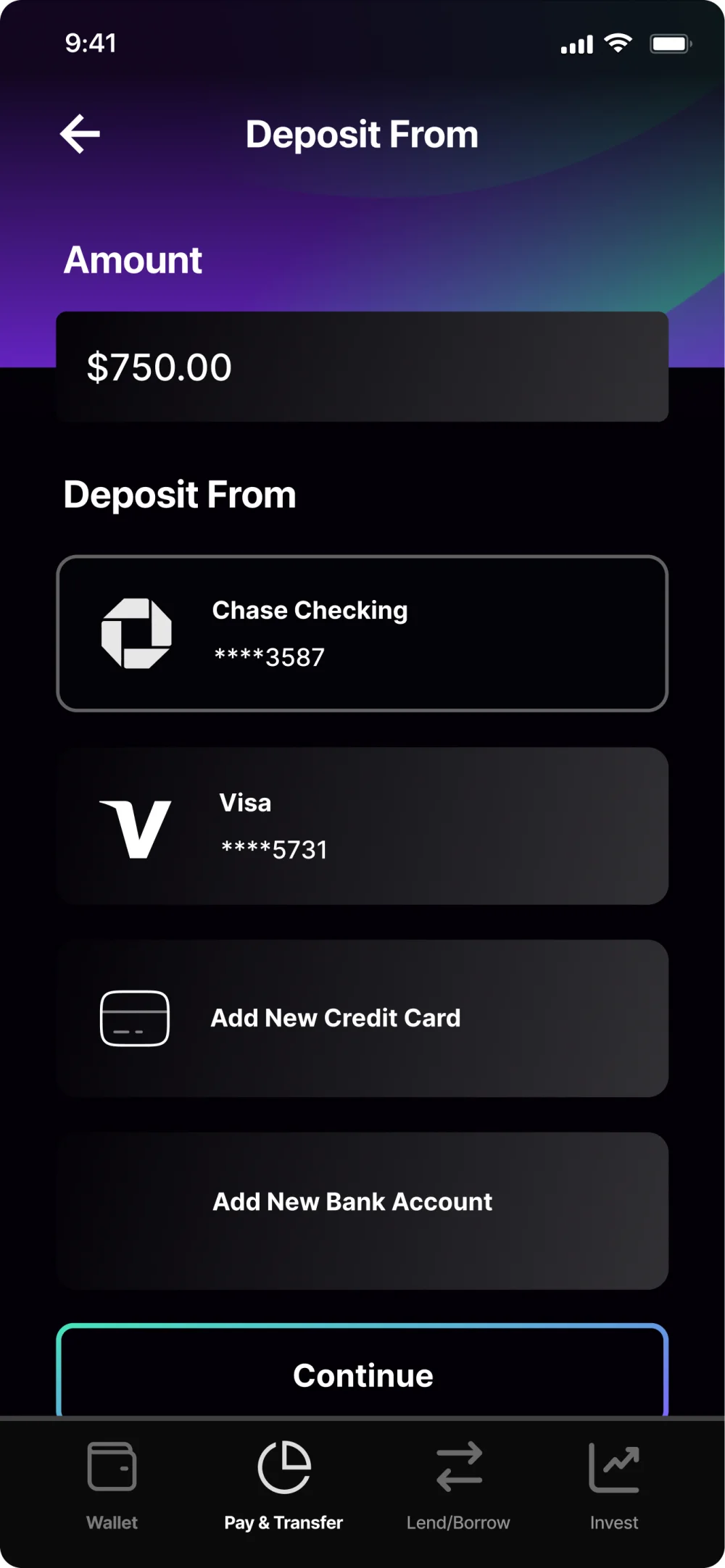
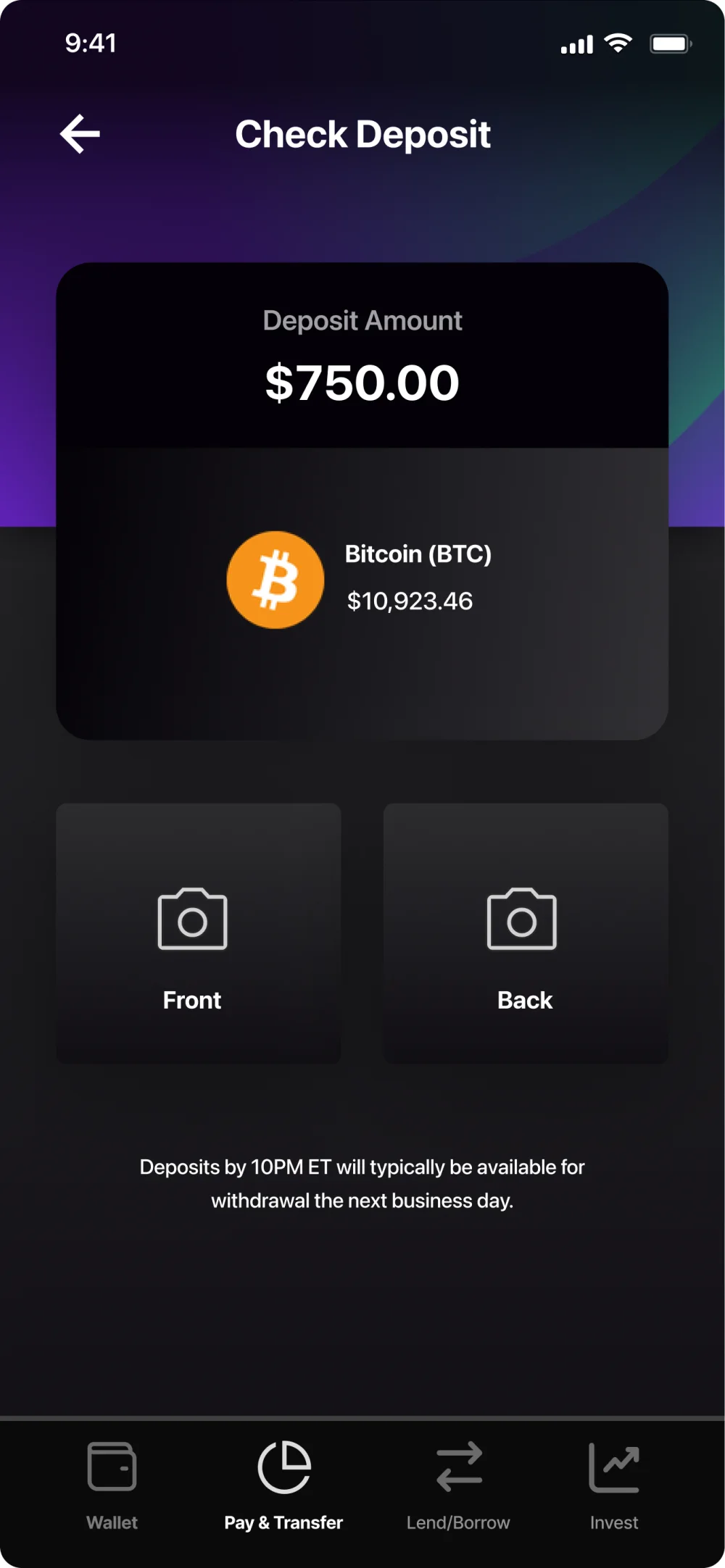
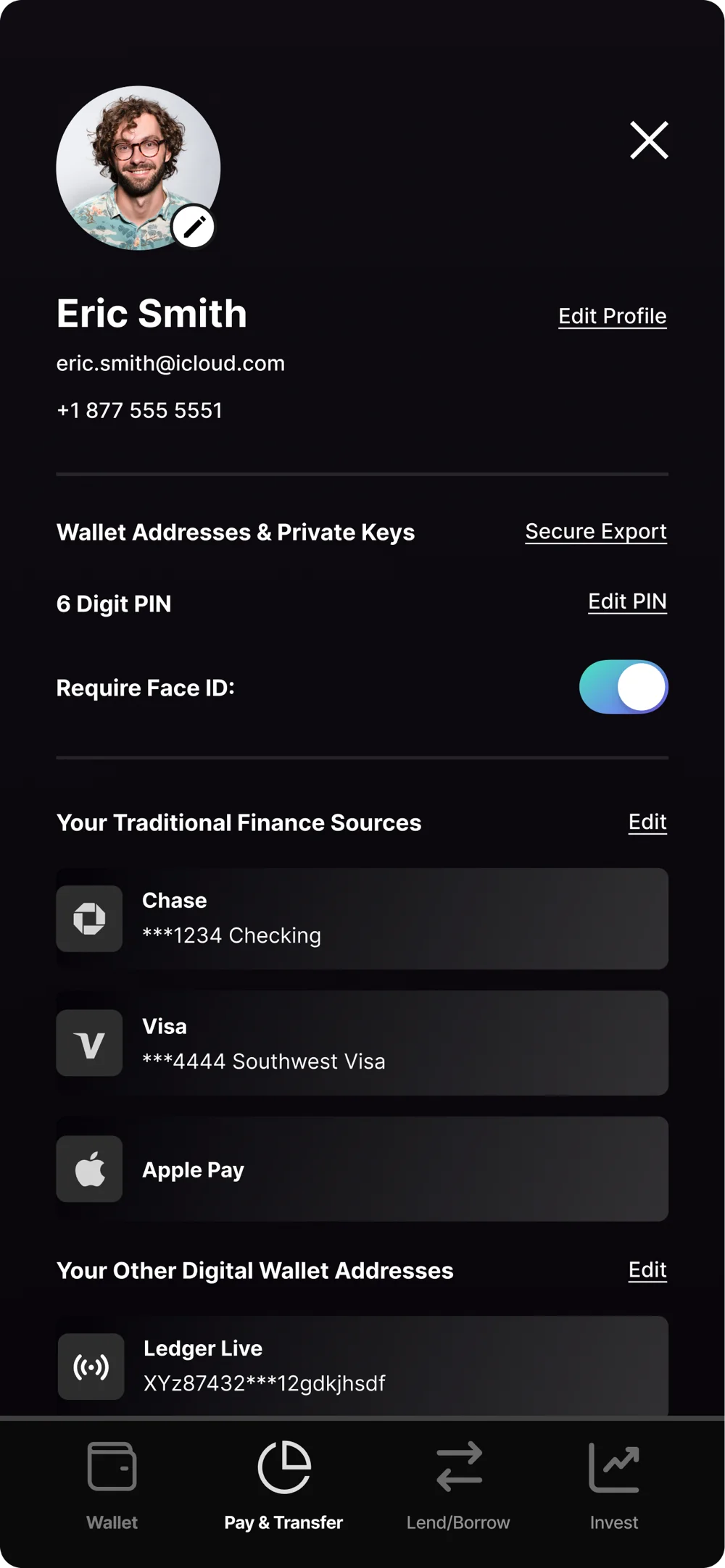
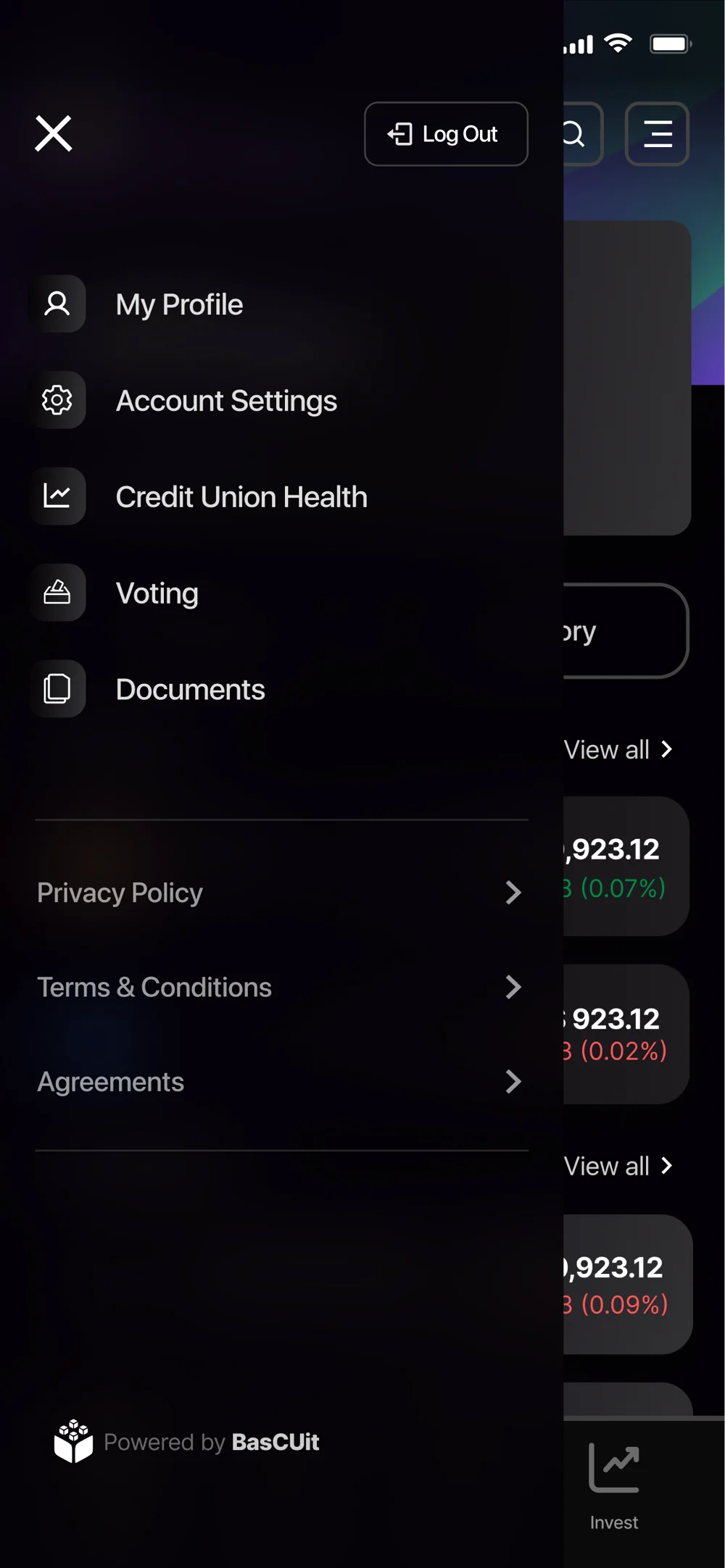
Maven was chartering a credit union that did not look like any credit union before it — member equity recorded on a distributed ledger, a digital wallet in place of a passbook, and governance that gives every member a vote. The product was genuinely new. The problem was that nothing about it could feel new to a prospective member deciding whether to trust it with their money.
Blockchain-native products tend to signal their novelty: neon gradients, jargon, and interfaces that assume the reader already understands custody and tokenization. A federally chartered credit union cannot afford that. It is regulated, it is insured, and it is competing for members who have banked the same way for thirty years.
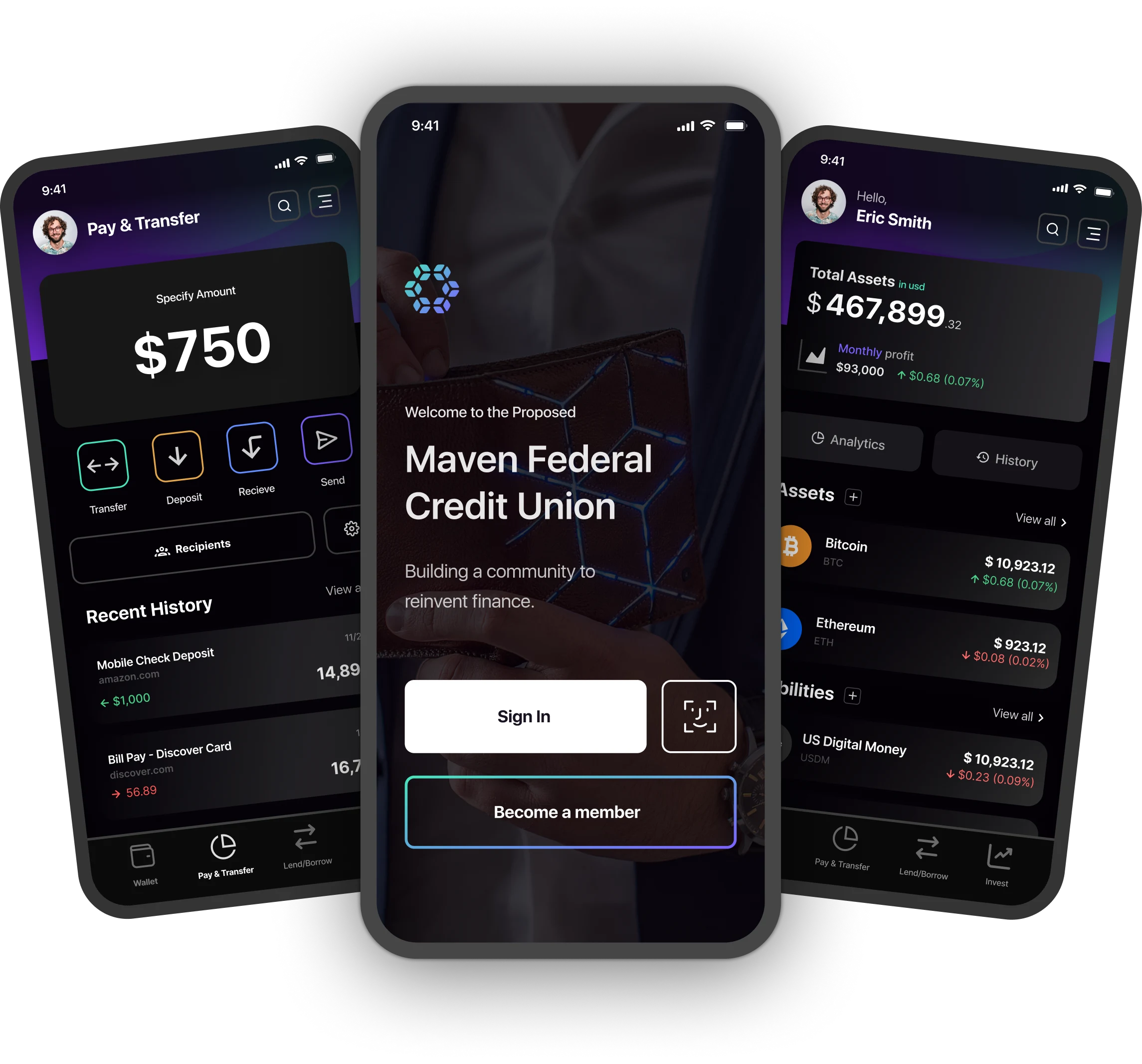
So the brief pulled hard in two directions at once. The interface had to read as calm, legible, and bank-grade on first open, while still making tokenized assets, member equity, and on-chain voting feel like ordinary features rather than an experiment.

 Designed with Figma